

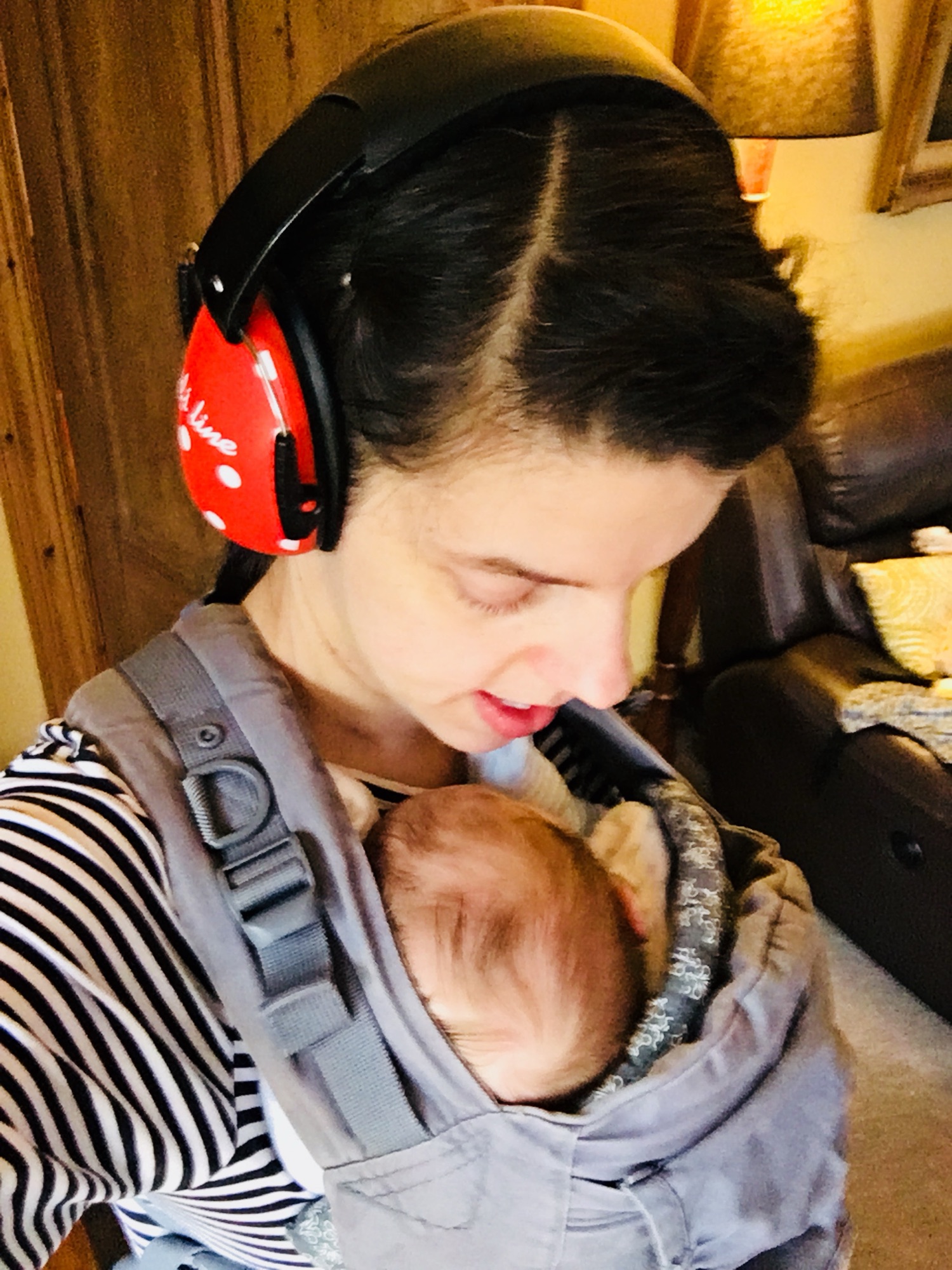
The recent headline suggesting we should “ditch the ear defenders” because autistic girls need preparing for “real life” raises important questions – but also serious concerns about how autistic distress continues to be misunderstood.
I agree that children cannot be protected from every moment of discomfort. Human beings experience stress, challenge, frustration, and uncertainty throughout life. Resilience matters.
But conversations like this become dangerous when autistic sensory overwhelm is reduced to ordinary discomfort.
For many autistic people, sensory overload is not a minor inconvenience. It is not simply “not liking noise.” It can involve genuine nervous system dysregulation:
- physical pain,
- panic,
- shutdown,
- dissociation,
- cognitive overload,
- loss of speech,
- emotional dysregulation,
- and long-term cumulative stress.
Historically, autistic people have repeatedly been told:
“You’ll get used to it.”
Many did not.
Instead, many developed chronic anxiety, masking behaviours, hypervigilance, burnout, school trauma, and Complex Post-Traumatic Stress Disorder after years of being expected to function in environments that overwhelmed their nervous systems.
The phrase:
“Tell children it’s OK to feel uncomfortable”
sounds reasonable in isolation. The problem is that it assumes the discomfort being discussed is proportionate, safe, and temporary.
For many Autistic people, it is not.
There is a significant difference between:
- supporting a child to gradually build confidence within safe, regulated conditions that the child is always in control over.
and:
- repeatedly exposing them to overwhelming environments while minimising the impact those environments have on their nervous system (gas lighting)
Those are not the same thing.
The wider issue is that discussions like this often create a false binary:
- either children are fully accommodated and become “dependent,”
or
- supports are removed in preparation for “real life.”
But real life is not one fixed environment.
Adults accommodate themselves constantly:
- sunglasses for light sensitivity,
- quieter workspaces,
- flexible working,
- ergonomic furniture,
- breaks,
- noise-cancelling headphones,
- avoiding overwhelming places,
- choosing environments that suit their nervous system.
We rarely frame those adjustments as weakness.
Yet autistic children are frequently expected to tolerate environments many adults themselves would actively avoid.
The goal should not be:
“Can this child tolerate maximum distress?”
The goal should be:
“What level of environmental fit allows this child to learn, participate, regulate, and thrive without causing harm?”
That is a very different question.
Ear defenders are not inherently harmful. In many cases, they are a practical regulation tool that allows autistic children to remain engaged in environments that would otherwise become intolerable.
The risk is that already under-supported schools and services interpret this kind of messaging as permission to reduce adjustments altogether:
“Even autistic specialists say they don’t need accommodations.”
And autistic children are often the ones who pay the price for that oversimplification.
The real issue has never been ear defenders.
The issue is that many environments remain excessively loud, chaotic, relentless, unpredictable, and neurologically incompatible – and autistic children are too often expected to absorb the cost of that incompatibility themselves.
Autistic children do not need to be taught that suffering is the price of participation.
They need environments, relationships, and systems that understand the difference between growth and harm.
Written by Rachel Winder
Auticulate – Autistically Blunt™